The Five-Second Introduction: Auditing the Listing That Speaks Before You Do
Photo: David Martin , CC BY-SA 2.0, via Wikimedia Commons
Someone is standing at a bus stop in the rain, phone in hand, trying to work out whether your community centre is the building with the blue door or the one next to the chip shop. They are not reading your annual report. They are not comparing brand values. They are looking at a pin on a map, a photo taken in 2019, and a line that says “Open ⋅ Closes 5pm” when in fact everyone went home at three.
That is the first hello. And for most small UK charities, it's a hello nobody in the office has ever rehearsed.
The listing is the front door with a postcode
We spend ages on the homepage, the donate button, the tone of the thank-you email. All worthy. But the map listing is the bit of brand real estate that greets people before they've decided whether to trust you. It's the online equivalent of the sign above the door, the buzzer, the ramp, the window display and the person at the desk — squashed into a panel the size of a playing card.
If you haven't claimed it, Google has made one for you. It may be using an old address, a stock photo of a generic office, and a review from a frustrated person in 2022 that nobody ever replied to. That's not a technical glitch. That's brand by accident.
Start with the hours, and mean them
Opening hours are where hopeful optimism meets real life. “Mon–Fri, 9–5” looks tidy. It is also a lie if the team is in a meeting every Tuesday morning or the food bank closes for lunch. Use the notes field. “Ring the bell — we're often in the back.” “Last entry 3.30pm.” “Closed on the first Thursday for training.”
And check the seasonal stuff. If your winter opening differs, update it before the clocks change, not after the first person turns up to a dark building. The map shouldn't be aspirational. It should be accurate.
Show the actual door
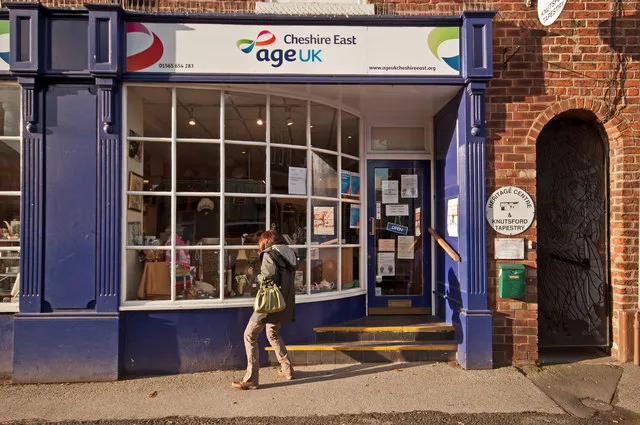
Photos on a listing do a lot of quiet work. A logo tells people who you are. A photo of the entrance tells them they've found the right place. Take a picture from the street on a dull Tuesday — no blue sky required — showing the door, the buzzer, the sign, the ramp if there is one. Add a second photo of the reception desk or the waiting area. If you have a car park, photograph the entrance to it. If the entrance is round the back, say so in the caption.
This matters most for people who are anxious, disabled, older, or new to the area. A photograph of a real doorway is a small act of hospitality. It says: we know you're coming, and we've made it easier to arrive.
Access notes that help, not decorate
“Fully accessible” is a phrase that has done a lot of harm. Does it mean step-free? A lift? A hearing loop? An accessible loo that isn't used as a storage cupboard? Use plain language and be specific. “Two steps up to the entrance, no handrail. Step-free entrance round the side via the car park.” “Quietest time is Wednesday morning.” “Nearest bus stop is 200 metres.” “There is a Changing Places toilet at the leisure centre next door.”
If the lift is broken, say so. If the accessible entrance is locked after 4pm, say so. People plan around honesty. They don't plan around a mystery.
Reviews are a conversation, not a scoreboard
You don't need to chase five stars. You do need to reply. A short, warm response to a critical review — “Thanks for telling us. We're sorry the wait was long. We're reviewing how we run Thursday drop-ins. If you'd like to talk it through, ring Jo on the number below” — is read by dozens of people who never leave a review at all. It shows the place is held by humans.
Reply to the good ones too, briefly. Not with a press release. With a sentence that sounds like a person.
The temporary closure notice
This is the one that separates a cared-for listing from a neglected one. Panic-proof wording has four parts: what's happening, when, where to go instead, and who to contact. “We're closed for building work from 2–16 December. The food bank is running from St Mary's Hall on Tuesdays and Fridays, 10am–1pm. Ring 01234 567890 for anything urgent.”
Put that on the listing before you put it on the website. The website is for people who already know you. The map is for people trying to find you for the first time.
Claim it, then keep it
Claim the profile. Assign an owner — one person, with a backup. Put a quarterly reminder in the calendar to check hours, photos, access notes and duplicate listings from old addresses. Use the questions and answers section for the things people actually ask: “Do I need a referral?” “Is there parking?” “Can I bring my dog?”
Treat it as a noticeboard, not a billboard. It's not there to broadcast your strategy. It's there to answer the five-second question: am I in the right place, and can I get in?
That's brand work. Quiet, practical, and pointed at the person on the pavement with the phone in their hand.