Who's Holding the Pen? What UK Community Projects Still Get Wrong About Co-Design
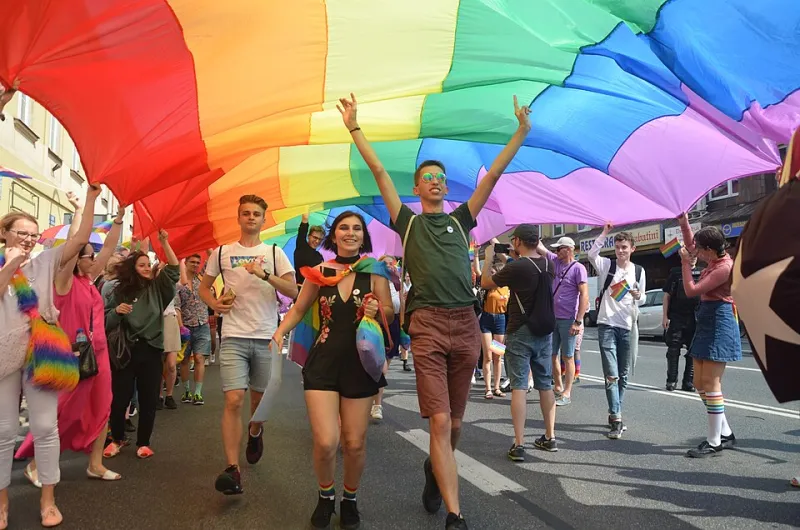
Photo: Silar, CC BY-SA 4.0, via Wikimedia Commons
Last spring I sat in a church hall in the Midlands watching a flipchart fill up with sticky notes. Sixteen people, lukewarm squash, a laminated agenda. The project had been described in the funding bid as co-designed with the community. The community, it turned out, had been invited to choose between three logo options that were drawn up four months earlier.
Nobody in that room was acting in bad faith. The staff were thoughtful, the biscuits were decent, and everyone genuinely wanted the project to work. But the shape of the decision had been settled long before anyone arrived, and every person present could feel it. You could see it in the way people wrote safe answers and kept the more awkward thoughts for the walk home.
We keep meeting this version of co-design across UK charities, housing associations, councils and small community groups. Not because people are cynical, but because the system gently pushes them towards it. Funders ask how communities were involved. Bids need a participation section. A workshop is something you can photograph, count and put in an appendix. A genuine transfer of power is much harder to evidence on a monitoring form.
So let's talk about what it would take to do this properly — and honestly — without pretending any of it is simple.
Co-design is not an event
A workshop is a method. Co-design is a relationship with a different distribution of authority. If the community's involvement starts when the brief is already written and ends when the evaluation report is signed off, you have run consultation. That's a legitimate thing to do. It just isn't the same thing, and calling it co-design costs you credibility with the people you most want to reach.
A useful question to ask yourself before any project: what is genuinely open to change, and what is fixed? Being able to say that out loud — 'the building is already leased, but the programme is completely open' — builds more trust than a vague promise that everything is on the table.
The brief is where power actually lives
The single biggest shift you can make is to bring people in before the brief exists, not after.
In practice that might mean a small design group of six to eight people, half of them from the community, meeting from the very first conversation. It means sharing the messy version of the problem rather than the polished one. It means agreeing together what success looks like, in language that will survive contact with a funder's reporting template.
It also means giving that group real authority, written down. Terms of reference that say who decides what. Minutes that get shared. A note in the bid that says decisions were made collectively, with names attached, rather than a sentence about 'engaging stakeholders'.
Pay people, properly, from the first meeting
If your co-design relies on goodwill, it will quietly filter out anyone with a job, a caring responsibility or a bus to catch.
Paying participants isn't a nice extra — it's the difference between a representative process and a process that only includes people with spare time. Budget for it at the start, at the same time as you budget for the designer.
Some practical things we've learned:
- Pay for preparation and travel time, not just the hour in the room.
- Cover childcare, caring costs and accessible transport without being asked.
- Offer a genuine choice between cash, vouchers and bank transfer — vouchers are often easier to administer, but they aren't universally useful.
- Check how payment might interact with someone's benefits, and say clearly what you know and what you don't. Don't leave people to guess.
- Pay on the day where you can. A six-week wait for a £25 voucher tells people exactly how much their time is valued.
If your budget genuinely can't stretch to payment, say so upfront and consider whether a smaller, honest process would be better than a large, extractive one.
Design the formats around people, not the other way round
Accessibility in co-design is usually treated as a logistics problem. It's actually a question of who gets to have ideas.
That means Easy Read versions of the key documents. It means interpreters, BSL access and translated materials budgeted in from the start rather than scrambled together afterwards. It means venues with step-free access, hearing loops, quiet space and loos people can actually use. It means evening and weekend sessions, and someone whose actual job is to ring the people who don't do email.
It also means dropping the performance of the flipchart. Some people think best by talking, some by writing, some by walking, some in their first language, some over the phone a week later. Offer more than one route in, and then actually use what comes back.
Change who's in the room — and who's holding the pen
Most projects end up with the same eight engaged residents, the same three sector professionals and the same person who chairs everything. That's not a failure of the community. It's a failure of recruitment.
Go to where people already gather — the food bank rota, the mosque, the gurdwara, the library, the parkrun, the school gate, the men's shed. Ask existing groups to nominate someone rather than advertising an open meeting nobody attends. And consider an independent facilitator for the harder conversations, because people speak more freely when the person holding the funding isn't also holding the pen.
Measure the relationships, not just the logo
Most co-design evaluation counts attendance and outputs. How many workshops, how many people, how many logos produced. Useful, but it misses the thing that matters.
Try tracking relational outcomes instead, or at least alongside. Do people feel listened to? Did anyone change their mind? Who made which decision, and can you name them? Did the group carry on meeting after the funding ended? Did the organisation's staff learn something they've since acted on?
And then report back. Properly. A 'you said, we did' update that includes the things you couldn't do, and why, is worth more than a glossy newsletter full of gratitude. Communities are remarkably good at spotting the difference between being thanked and being heard.
When you can't do it all
Not every project can be co-designed. Sometimes a deadline is fixed, a funder has already ring-fenced the money, or a building has to close. That's real, and pretending otherwise just creates resentment.
So be specific. Publish what's fixed and what's open. Offer the level of involvement you can actually resource, and name it accurately — consultation, testing, co-production, community-led. Then do that thing well.
A small, honest process where six people genuinely shaped something beats a grand one where forty people chose between three logos. Designing with people is slower, messier and harder to put on a timeline. It's also the only version that lasts after the room empties and the flipchart goes in the bin.